Engineering Guides
Site Preparation: What Happens Before Construction Begins
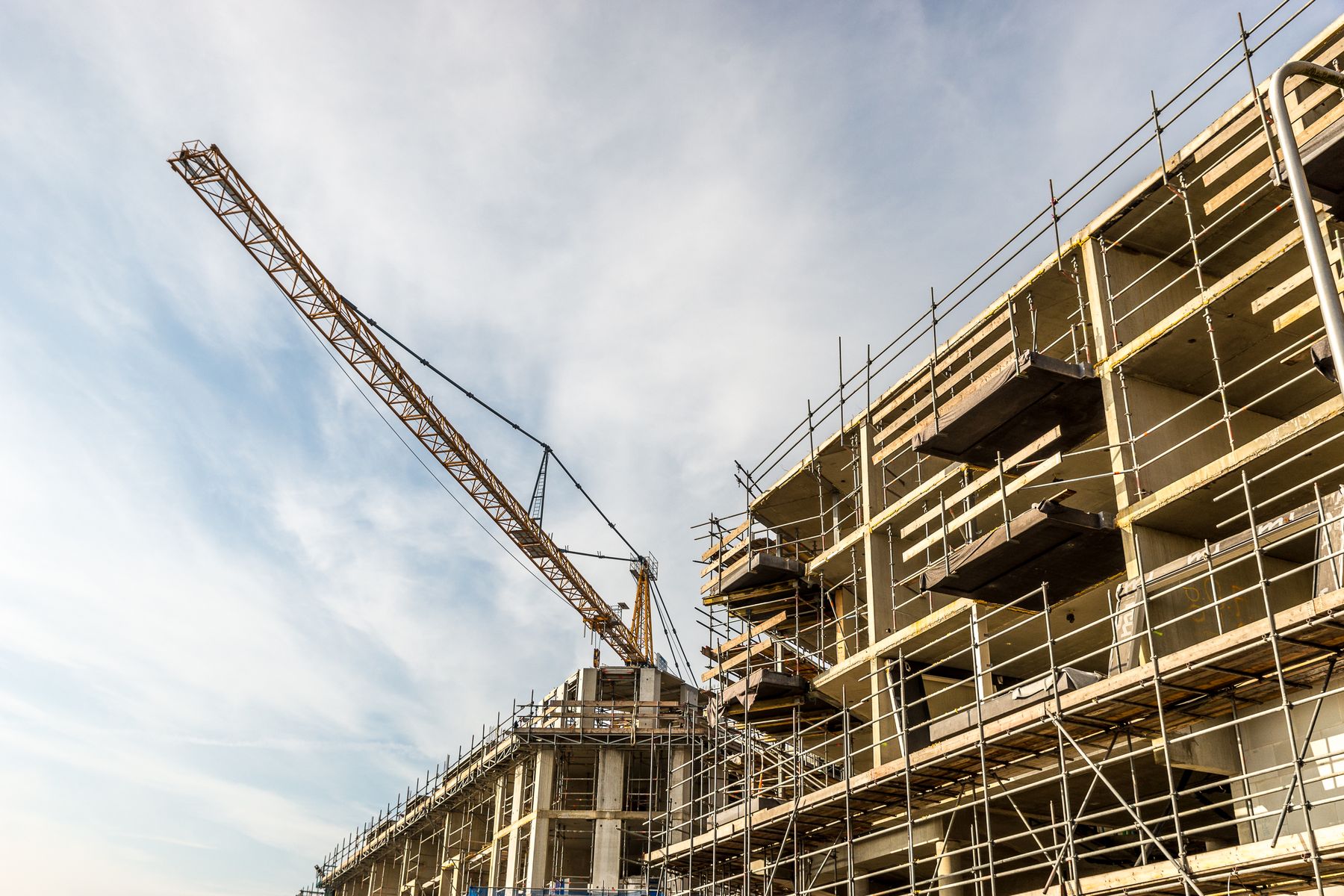
From surveys and access planning to earthworks and temporary services, early site preparation sets the conditions for safe and efficient execution.
Confirm the site information
Construction planning begins with reliable information. Boundary, topographic and utility surveys help the team understand levels, access, neighbouring conditions and existing services. Geotechnical information informs foundation and earthwork decisions.
Missing information does not remain a design problem—it becomes a site delay. Early investigation is usually cheaper than changing equipment, sequencing or completed work later.
Plan access and logistics
A site needs safe routes for workers, deliveries, lifting operations and emergency access. The logistics plan should account for vehicle turning, unloading, storage, pedestrian separation and constraints outside the boundary.
Urban projects require particular care because deliveries, noise, dust and public movement can affect neighbours and authorities.
- Controlled entry and exit
- Delivery and storage zones
- Pedestrian routes
- Emergency access
- Waste removal plan
Establish temporary works and services
Site offices, welfare facilities, fencing, lighting, temporary power, water and drainage enable the permanent works to proceed safely. Their capacity and location should support the construction sequence rather than obstruct it.
Temporary works still require design, inspection and maintenance. A temporary solution can carry significant risk if treated casually.
Clear, grade and protect
Vegetation, unsuitable material and obstructions are removed according to the approved plan. Earthworks establish working levels and stable access. Drainage and erosion controls protect excavations and surrounding property from uncontrolled water.
Environmental and safety controls should be operating before major activity begins, not added after dust, runoff or access problems appear.
Set the control baseline
Survey benchmarks, programme milestones, inspection procedures and reporting formats should be agreed before production accelerates. This provides the baseline against which progress, levels and quality can be measured.
A well-prepared site does more than look organized. It reduces uncertainty and allows labour, machinery and materials to work together productively from the first major operation.